“Antibiotic rivers will give regulators crucial evidence for the environmental risk of pharmaceuticals and aims to establish a novel approach for early detection of pollution effects using a microbiome-based bioindicator”
Worldwide consumption of pharmaceuticals is enormous and escalating. Despite the obvious therapeutic benefits, this extensive use of pharmaceuticals comes at an unintended and potentially severe environmental cost. Hundreds of pharmaceuticals infiltrate ecosystems via domestic wastewater and agricultural run-off, because they are excreted unmetabolised and are resistant to wastewater treatment processes. As a result, aquatic wildlife are now exposed to a myriad of drugs with antimicrobial activity, threatening widespread disruption of the gut microbiome–host symbiosis. For fish, the gut microbiome plays a crucial role in overall health and behaviour, so its disruption could threaten the ecological and economic-based services they provide.
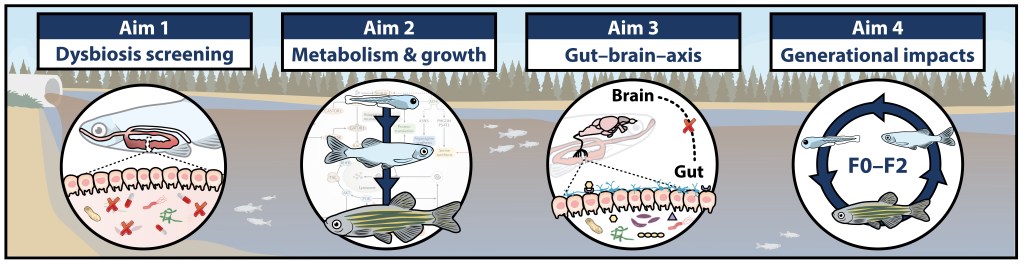
Antibiotic rivers will link underlying impacts on the gut microbiome of fish, to physiological, behavioural, and population-level outcomes. The Project’s findings will give regulators crucial evidence for the environmental risk of pharmaceuticals and establish a novel approach for early detection of pollution effects using a microbiome-based bioindicator.
 Dr Jake M. Martin